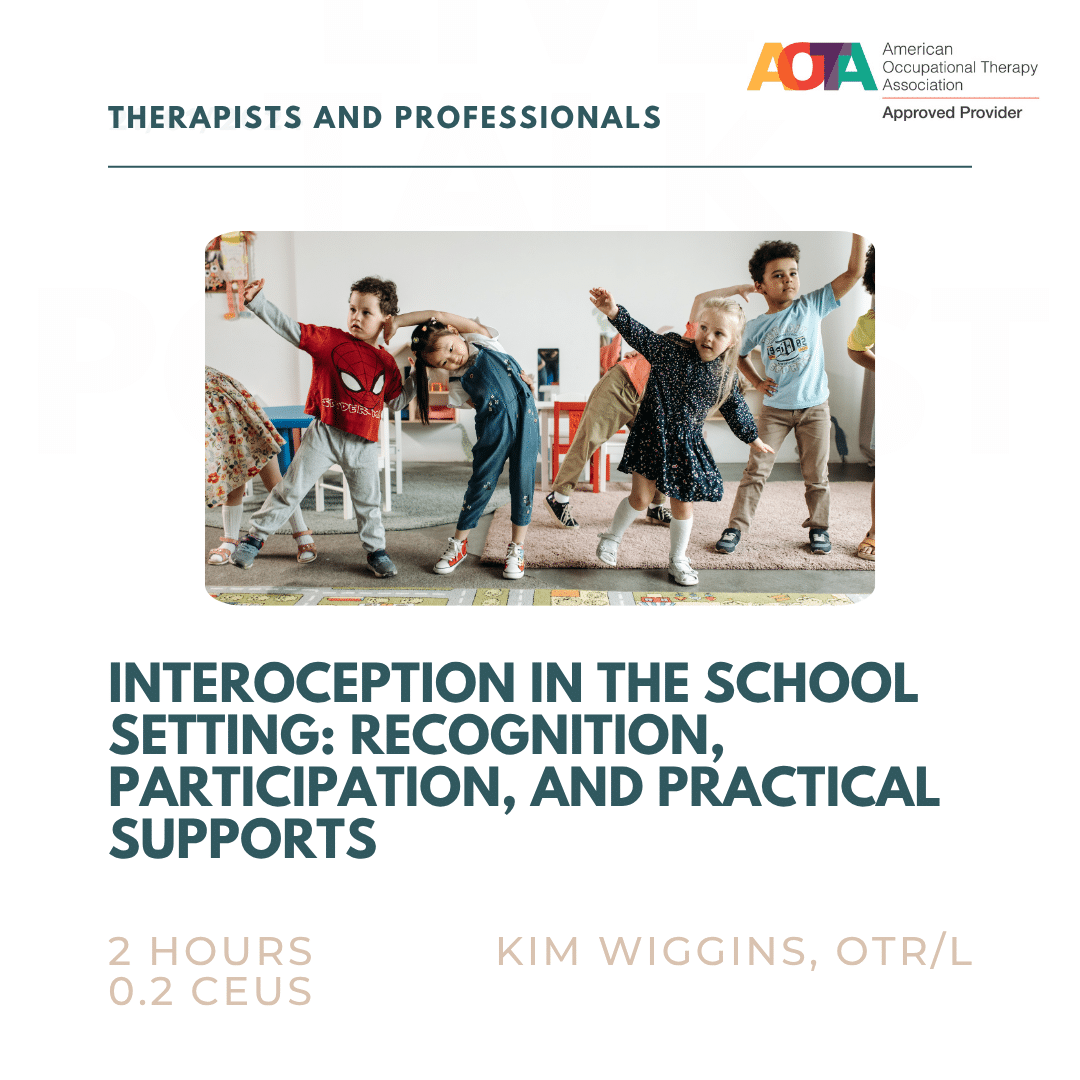
Interoception, often referred to as the body’s eighth sense, plays a critical role in helping students recognize, understand, and respond to internal body signals related to hunger, thirst, fatigue, emotions, pain, temperature, and self-regulation. When students struggle to interpret these body cues, challenges may emerge in attention, behavior, emotional regulation, participation, self-advocacy, and overall school performance.
This 2-hour course provides school-based practitioners with an evidence-based understanding of interoception and its impact on student participation within educational environments. Participants will explore the relationship between interoception, sensory modulation, emotional awareness, and self-regulation while examining how interoceptive differences may present in students with a variety of needs and diagnoses. Through case studies, clinical reasoning activities, and practical school-based examples, participants will learn to differentiate interoceptive challenges from behavior, attention, and sensory processing concerns. Emphasis is placed on realistic, participation-focused interventions that can be embedded into existing school routines without requiring specialized equipment, sensory rooms, or lengthy pull-out sessions. Participants will leave with practical strategies, classroom-friendly tools, and collaborative approaches that support students in noticing, understanding, and responding to their body signals throughout the school day.
 |
Sensational Brain LLC is an AOTA Approved Provider of professional development. PD activity ID# 17127. This distance-learning, independent format is offered at 0.2 CEUs, Intermediate level, OT Service Delivery. The assignment of AOTA CEUs does not imply endorsement of specific content, products, or clinical procedures by AOTA. |
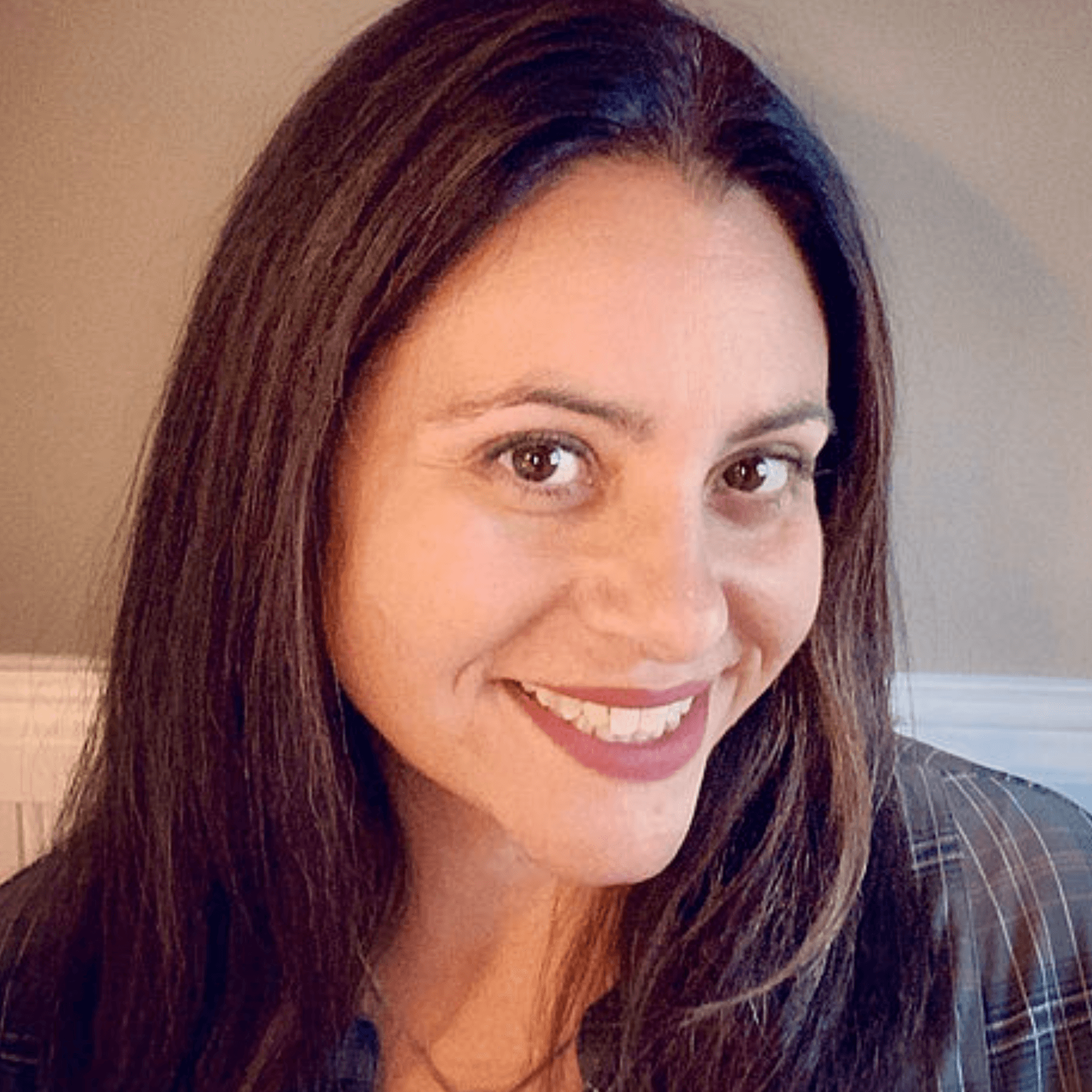
Kim Wiggins, OTR/L, is an experienced occupational therapist specializing in the treatment of children since 2001. She is a full-time therapist at a City School District in upstate New York, owner of www.OTKimWiggins.com, and has been a nationally known speaker since 2011. Kim is certified in Mobile Devices for Children with Disabilities, Puzzle Art Therapy, Handwriting Without Tears, Zaner Bloser, The Size Matters Handwriting Program, The Listening Program, and as an Irlen Screener. To view Kim’s courses, check out her product page.


