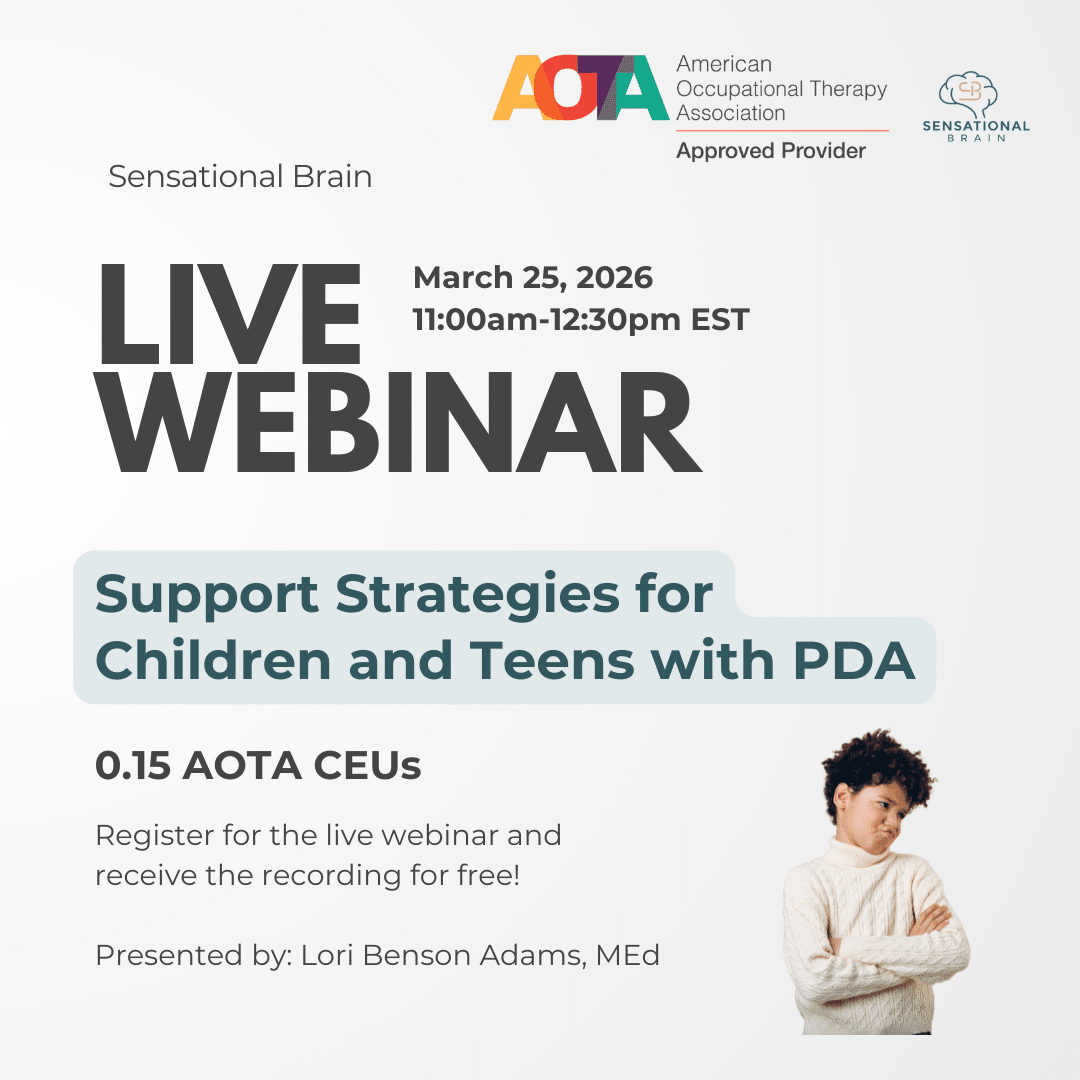
Pathological demand avoidance (PDA), sometimes also referred to as extreme demand avoidance (EDA) is identified primarily as a subset of autism spectrum disorders, affecting approximately 20% of those diagnosed with ASD. New research is also connecting this condition with ADHD and anxiety disorders. Viewed primarily as an anxiety-driven need for control over their environment and avoidance of daily expectations, this profile can be extremely challenging for not only the child, but educators, therapists, and parents.
Based on the understanding of the anxiety-based origins, specific and supportive approaches are required to prevent further shut down and increased participation and social-emotional development. This 90-minute course reviews the core research-based strategies for supporting individuals with PDA as well as how to support other professionals and family members. This course covers a brief review of key components of PDA before delving into strategies.
Prerequisite for this course: Pathological Demand Avoidance: What It Is and How to Support Positive Engagement and Participation
 |
|

Lori Benson Adams, MEd, is an educational intervention specialist and owner of Breakthrough Learning Solutions. She has over 40 years of experience with students who experience sensory, learning, behavioral, and executive function challenges. In addition to maintaining a private practice, Lori presents nationally to audiences of parents, therapists, and educators. Her years in early intervention and as a special education classroom teacher bring a doable approach to strategies and solutions, and she is known for her immediately practical information and wealth of knowledge and resources. Additional information can be found on her website: Lori Benson Adams, MEd. To view Lori’s courses, check out her product page.